How to Spot AI-Generated Photos & Videos
- Burton Kelso, Tech Expert
- Mar 3
- 4 min read
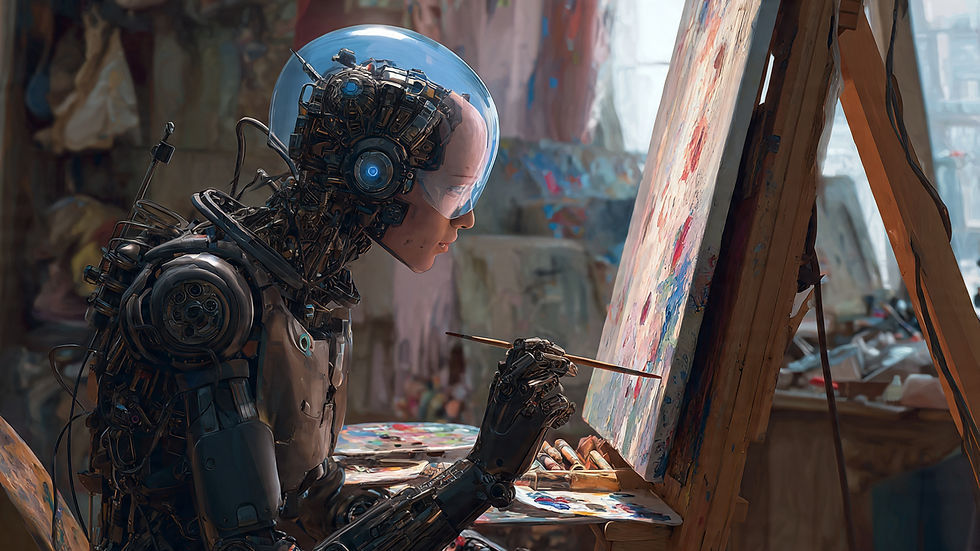
We’ve all been there: you're scrolling through your feed and see a video of a golden retriever cooking a five-course meal, or a "candid" photo of a celebrity in a place they couldn't possibly be, or a clip of a movie with actors and actresses who've never starred together. In 2026, AI-generated content isn't just "getting better", it’s everywhere. Tools like OpenAI’s Sora, Google’s Veo 3, X's Grok, MetaAI, Nano Banana Pro, and ByteDance's Seedance have made it possible to create hyper-realistic visuals that can fool almost anyone. But you don't need to be a tech expert like me to spot these and protect yourself from getting fooled. If you want to be able to spot real videos and photos from AI, check out my simple guide to help you navigate the sea of AI fakes. Here's what you need to know.
Before we dive in, it's worth noting that AI isn't all bad. When used responsibly, these tools are incredible for creativity and accessibility, as I explained in my TED Talk in 2024. Filmmakers are using AI to create 8-second cinematic clips that would otherwise cost thousands to film, and educators use AI to animate historical figures for more engaging lessons. From helping small businesses create professional ads on a budget to allowing people to visualize "what if" scenarios in high-definition 4K, AI is a powerful partner for human imagination.
Look for the Digital Fingerprints. The easiest way to spot AI is to look for a label. Most major companies now build in automatic identifiers.
The Sora Cloud: Videos made with the Sora app usually feature a white cloud icon that bounces around the edges, similar to the TikTok logo.
Google’s Signature: Content from Google’s Nano Banana models is automatically watermarked to ensure it can be identified.
Social Media Labels: Platforms like Instagram, TikTok, and YouTube now have systems to flag AI content. Look for small tags near the username that say "AI-generated" or "Altered content."
Keep in mind, watermarks can be cropped out of photos and videos, and not all AI content allows you to quickly find watermarks. With Chinese-based Seedance, there are no watermarks in the videos, so that obviously is a challenge. If a video looks suspicious but has no logo, don't assume it's real.
Check Out The Metadata. Every digital file has "metadata" or digital ID file which contains hidden info about when, where, and how it was made. You can check this yourself using a free tool from the Content Authenticity Initiative.
Upload the photo or video.
Look at the sidebar. If it’s a Sora video, it will literally say: "Issued by OpenAI" and label it as AI-generated.
Spot the "AI Glitch" in Photos & Videos. AI is a brilliant artist, but it’s a terrible scientist. It often forgets how the real world actually works. Look for these "physics fails":
Hands & Feet. Extra fingers, webbed toes, or hands that seem to "melt" into objects they are holding.
Eyes & Teeth. Misaligned pupils, reflections in glasses that don't match the room, or "too many" teeth that look like a solid white strip.
Text & Signs. Gibberish letters on background signs, blurry logos, or text that changes if you look away and look back.
Physics. Hair that merges into clothing, shadows that point the wrong way, or objects that seem to float or slide.
Backgrounds. People in the distance who look like "smudges" or duplicated "clone" characters in a crowd.
If a post makes you feel an intense, immediate emotion—like shock, anger, or total disbelief—take a breath. AI photos and videos are often designed to go viral by triggering your gut reaction. As these tools become easier to use, public figures are becoming frequent targets for fake videos using their likeness. Even though unions and tech companies are pushing for stronger guardrails, the internet is still filled with nonsensical AI creations. The best tool you have isn't an app—it's your skepticism. If a photo or video feels "too perfect" or just slightly "off," follow your gut. Even experts get fooled occasionally, so don't be too hard on yourself!
If you found this tech tip helpful, forward this blog to a friend or family member or simply use the share icons below now. If you have any questions, please reach out via email or on social media. I'm always available.
About Burton Kelso. Burton Kelso is an internationally recognized 2x TEDx Technology Keynote Speaker and Consumer/Small Business Tech Expert dedicated to making the complexities of the digital world accessible and secure. With over 30 years of experience in the trenches of cybersecurity, digital marketing, and AI ethics, Burton has become a trusted voice for organizations seeking to navigate the rapidly evolving tech landscape. As a high-energy corporate trainer and event speaker, Burton specializes in translating "geek speak" into actionable strategies for leadership teams, small business owners, and everyday consumers. He is a frequent media contributor, providing expert commentary on national and global news outlets regarding AI safety, digital wellness, and cyber-threat mitigation.
Whether he is delivering a virtual workshop or a mainstage keynote, Burton’s mission is to empower audiences to use technology as a tool for growth—not a source of stress.
Looking to book Burton for your next conference or corporate event? Explore Speaking Topics & Availability Here.
Looking for More Useful Tech Tips? If you like video tips, I LIVE STREAM new episodes of 'Computer and Tech Tips for Non-Tech People' every Wednesday at 1:00 pm CST on Facebook, Instagram, LinkedIn, and Twitter.
Want to ask me a tech question? Send it to burton@burtonkelso.com I love technology. I've read all of the manuals, and I'm serious about making technology fun and easy to use for everyone.
Please share this with your friends and family! If you found this post useful, would you mind helping me out by sharing it? Just click one of the handy social media sharing buttons below.
The above content is provided for information purposes only. All information included therein is subject to change without notice. I am not responsible for any direct or indirect damages arising from or related to the use of or reliance on the above content.


This perspective on technology and its effects on daily life was very relatable. It’s interesting to reflect on how tools designed to help https://bonhamcounseling.com/ us can sometimes add stress if we’re not careful about balance.
This article explains the issue really well. As AI tools become more advanced, it’s getting harder to recognize fake photos and videos online. The tips about checking visual details and context are very useful. This also matters during Social Media Book Promotion, where using authentic images and videos helps authors maintain credibility and build real trust with their audience online.
The tips for identifying subtle inconsistencies in lighting, backgrounds or facial features show that even things that look genuine at first glance can have tell‑tale signs once you know what to look for. That reminded me that even tasks I find less exciting, like organising research or working on coursework, still require patience and careful attention if I want them to turn out well, and then I suddenly realised I’ve got my own deadlines waiting. Figuring out where to begin with research, planning or understanding complicated topics can feel overwhelming at times, and even a bit of support makes those tasks feel more manageable. I once came across Native Assignment Help UK when I was struggling with some tricky marketing concepts,…